
Check your own IP
See the public IP address a website can see and check whether your VPN or network connection is changing it.
Check your public IP, or enter an IPv4, IPv6 address or domain to see its estimated location, ISP, ASN and time zone. Free, with no sign-up.
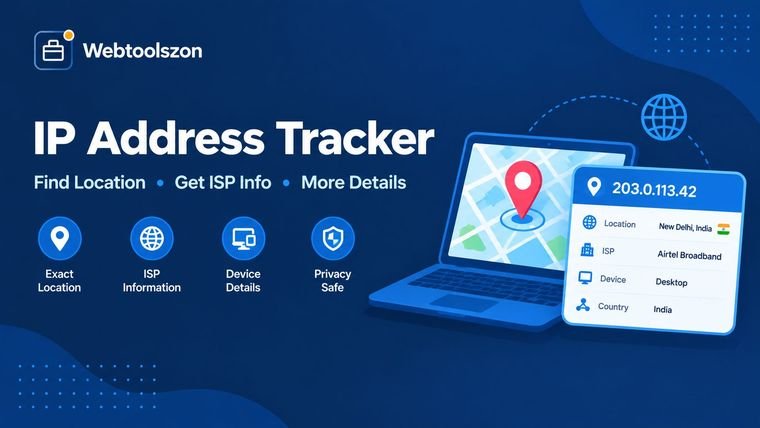
Private addresses such as 192.168.1.1 are explained offline and never sent anywhere. Exact location asks your browser for permission and needs an HTTPS page.
Blue shows the rough area from the IP address. Green, if you press Exact location and allow it, shows your device position and its accuracy.
Use an IP lookup to understand where an address is registered, which network it belongs to, and what an IP location result can — and cannot — tell you.
An IP address tracker is an online lookup tool that checks a public IP database and returns useful network details such as country, region, city, internet provider, ASN and time zone.
In everyday use, people search for an IP address lookup, IP address locator or IP tracker online when they want a quick view of an address. The result describes the network or area associated with the IP; it does not identify a person or reveal a private street address.
See the public IP address a website can see and check whether your VPN or network connection is changing it.
Use an IP trace or track IP address lookup to review the likely country, city, provider and network behind an address.
Look up a domain to find its current IP and inspect the network details returned by the lookup service.
The phrase IP address tracking can sound more precise than it really is. An IP lookup normally means checking a database for information associated with an address at that time.
You can track an IP address in the sense of looking up its network and approximate geographic area. You cannot use an ordinary IP address to follow a device in real time, find a person's name, or get a guaranteed street-level location. VPNs, proxies, mobile networks, company networks and changing IP assignments can also affect the result.
That is why an IP location tracker or IP address search is best treated as a quick network and geolocation reference rather than a precise live tracking system.
Not every IP can be looked up on the public internet. Private and special ranges are used inside networks or by devices themselves, so this tool recognises them and explains them locally.
| Range | Type | Used for |
|---|---|---|
| 10.0.0.0/8, 172.16.0.0/12, 192.168.0.0/16 | Private | Home, office and school networks. |
| 127.0.0.0/8, ::1 | Loopback | Your own device, often written as localhost. |
| 169.254.0.0/16, fe80::/10 | Link-local | Local communication when normal network settings are unavailable. |
| 100.64.0.0/10 | Carrier-grade NAT | Shared addressing used by some internet providers. |
| fc00::/7 | Unique local IPv6 | Private IPv6 networks. |
The IP address you look up is sent over HTTPS to the public IP lookup service used by the tool. Domain names are also sent to a public DNS resolver when they need to be resolved first. Map resources come from public map services. Exact location is requested by your browser only after you allow it and is not sent to the IP lookup service.
IP data can be incomplete or out of date, and free lookup services can have usage limits. Use the result as a useful reference for network and approximate location information, not as proof of a person's identity or exact whereabouts.
Dozens more free tools live on the homepage.
No matching question.
Tell other visitors what you thought of this tool.